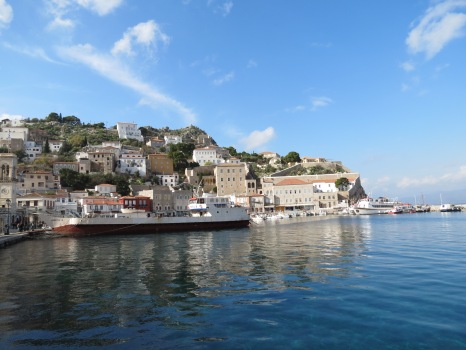
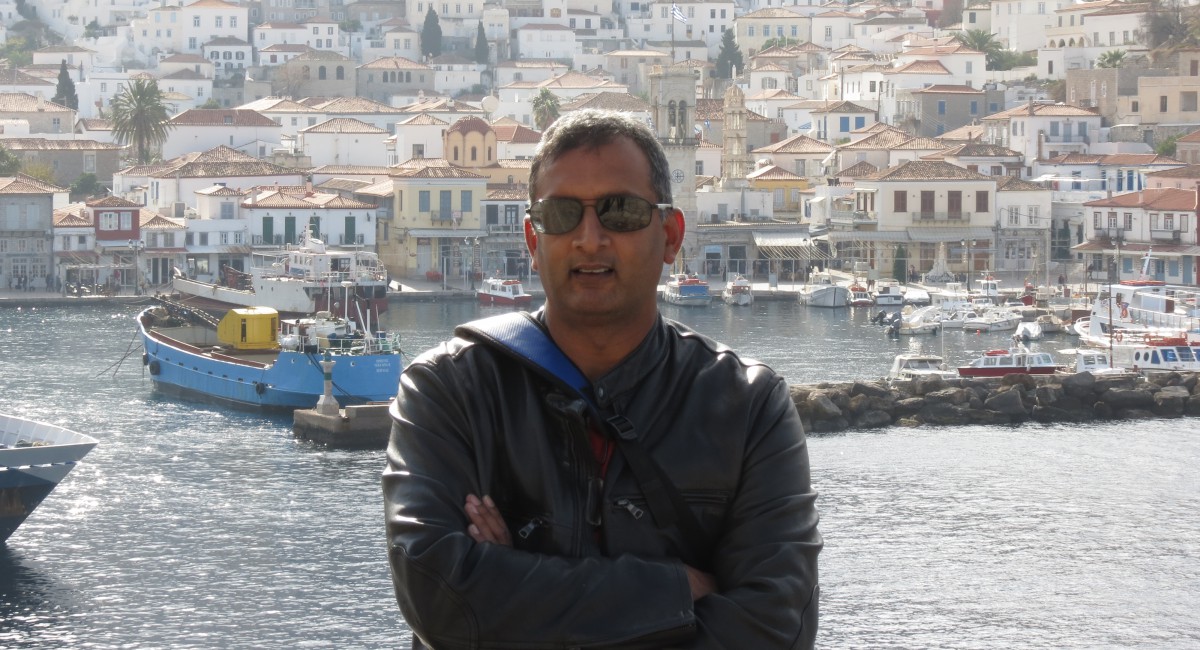
In mid-September 2026 I did something I should have done decades ago: I went to see the erstwhile communist bloc in the flesh, and as I put it on Instagram at the time — “Planes, trains, automobiles in the erstwhile communist bloc. Now the air is free, people warm, the sausages yummy and the beer is cold.” That caption, written in the moment, turns out to be the most accurate travel summary I have ever produced. This blog is the long version. Three capitals in about 10 days — Budapest, Vienna and Prague — loved every city, ate everything put in front of me, and became, by my own startled admission, almost civilised.Now that is of course debatable. For a person who has been living on a steady diet of his own slapstick humor and Jack its a stretch. The evidence follows. Well just read and see what you think.
First, Some General Information (and Why These Three Cities Belong Together)
Budapest, Vienna and Prague are not three random capitals stapled together by an airline offer. They are siblings — the great cities of the Austro-Hungarian Empire. After the Compromise of 1867, the Habsburg monarchy ran a dual empire from two capitals: Vienna, the imperial seat, and Budapest, capital of the Hungarian half, while Prague was the crown city of Bohemia, the empire’s industrial engine room. At its height this empire covered much of Central and Eastern Europe and contained more languages, religions and grudges per square mile than any project I have ever managed — and, like many of my projects, it was held together by a strong central schedule and sheer habit. World War I ended it in 1918. What followed for all three cities was a brutal century in instalments: Nazi occupation, the Holocaust, Soviet domination behind the Iron Curtain, and freedom only in 1989. Walk these three cities back-to-back and you are not doing three trips; you are reading one book in three chapters — splendour, catastrophe, and resurrection — with excellent sausage breaks between chapters.
One thing strikes an observant visitor quickly in Budapest and Prague: the streets are strikingly homogeneous — local people, local language, local life, in a way that is getting rare in the great capitals of the West. I found it refreshing and alien and I am aware I may be a minority on this one.
Budapest: Two Cities for the Price of One- Hungry in Hungary
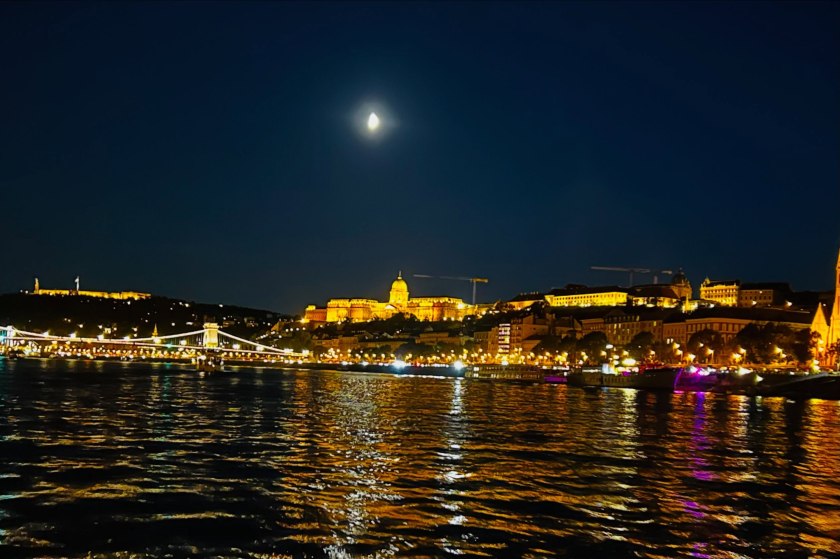
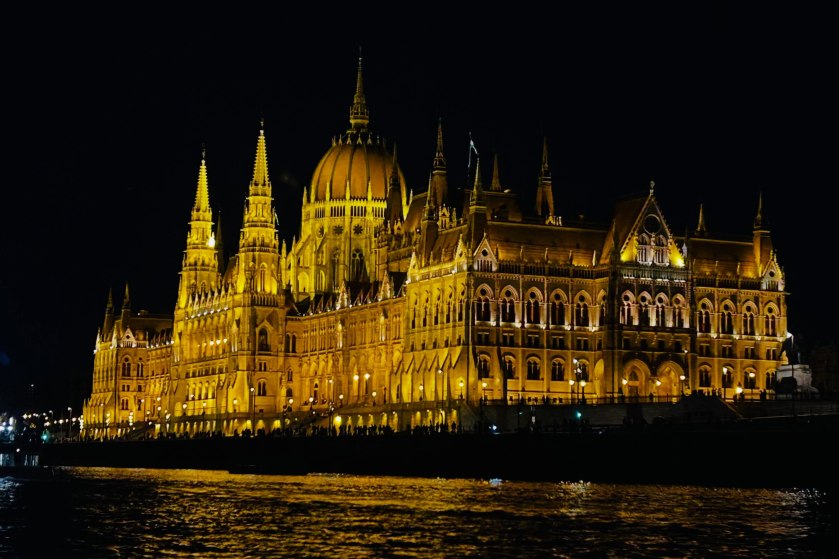
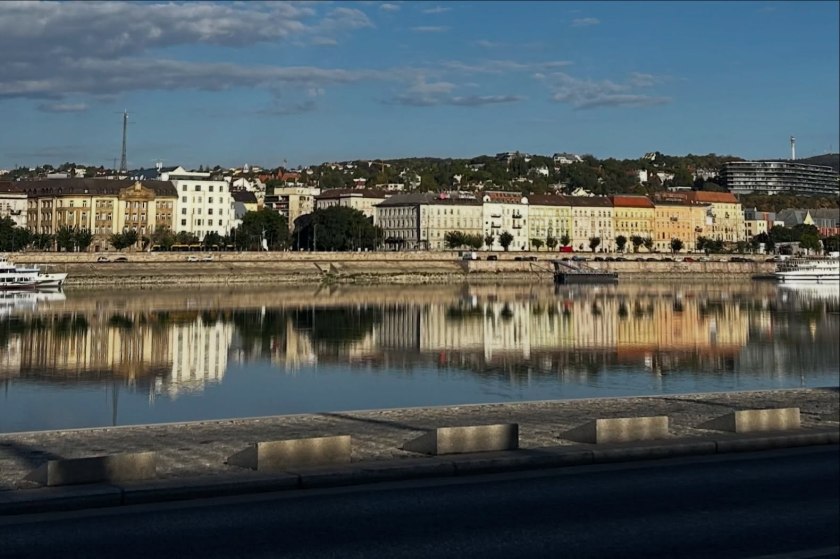
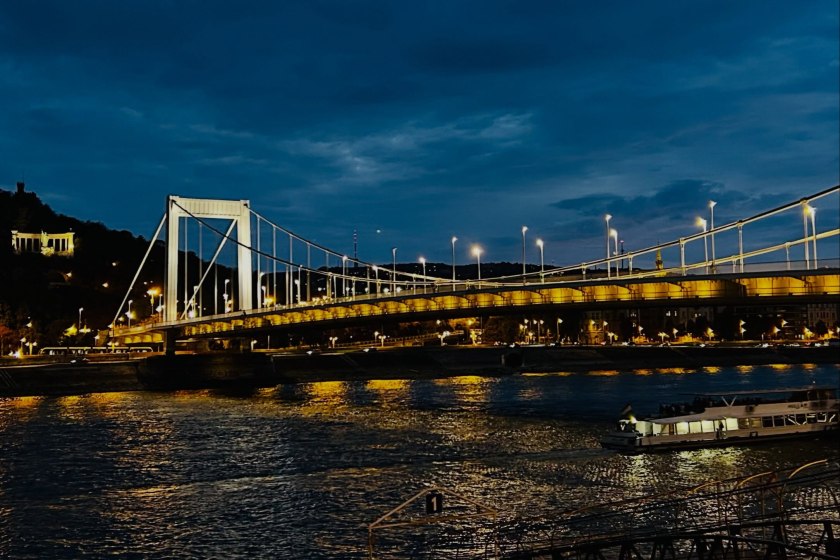
Budapest is literally two cities that merged in 1873: Buda, hilly and old, with the castle on the hill, and Pest, flat and grand, across the Danube — joined by bridges, of which the Széchenyi Chain Bridge (1849) is the grandfather. The river is not scenery in Budapest; it is the main street, and the correct way to meet it is from the water. My Danube cruise delivered the city’s money shot the way it should be delivered — slowly, at dusk, with the Parliament lit up on the Pest bank like a wedding cake designed by a committee with unlimited budget.
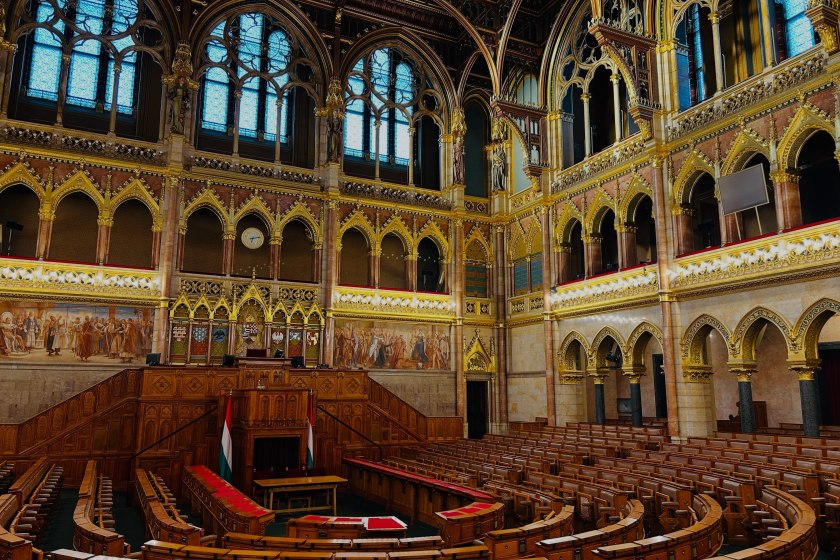
The Hungarian Parliament deserves its fame: built between 1885 and 1904, 691 rooms of neo-Gothic confidence from an era when Hungary was building for eternity. Hungary’s history rewards the attention I gave it — a nation founded by Magyar tribes in 896, occupied by the Ottomans for 150 years, reborn in the empire, and then battered through the twentieth century. For the Soviet chapter, the date to hold is 1956: the Hungarian Uprising, when ordinary Hungarians rose against Soviet domination and were crushed by tanks within weeks. The bullet holes are still pointed out on buildings, and the city does not let you treat that as a footnote.
And then there is the darkest chapter, which in Budapest as everywhere on this trip must be written straight. Before the war, Hungary had one of Europe’s great Jewish communities; in 1944–45, under Nazi occupation and the Arrow Cross, some 565,000 Hungarian Jews were murdered. The Dohány Street Synagogue — the largest in Europe — stands in the old ghetto district, and on the Danube bank near Parliament sits the simplest and most devastating memorial I know: sixty pairs of iron shoes, left at the water’s edge where Jews were shot and tipped into the river. You do not take selfies there. You stand, you read, you remember.
Recovery therapy, Hungarian style, is served in bowls. Goulash — proper gulyás — is a soup, not the stew the rest of the world imagines, rich with beef and paprika; chicken paprikash is its gentler, creamier cousin; and paprika itself is not a garnish in Hungary, it is a worldview. I ate accordingly. A project controls man respects a culture that builds its entire cuisine on a red powder with discipline and heat. Loved the paprika and I even wonder if the red on the Hungarian flag represents this spice.
Vienna: Living With the Habsburgs, doing a Waltz and pretending to be a descendent of the Habsbergs- Well Far cry if you’ve seen me!
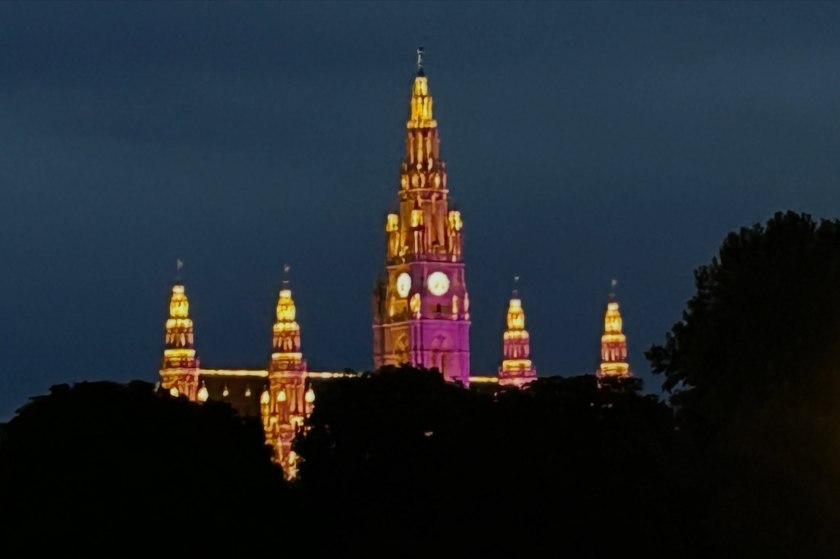
If Budapest is a wedding cake, Vienna is the entire bakery, the bakery’s bank, and the bank’s art collection. This was the imperial capital for over six centuries, and the Habsburgs did not do modest. You live with them still — quite literally, since the city’s whole centre is their stage set. The obsession is personified by two ghosts who absolutely dominate the gift shops: Emperor Franz Joseph, who reigned for 68 years and got up at 4 a.m. for most of them, and his wife Sisi — the beautiful, restless, exercise-obsessed Empress Elisabeth, assassinated in 1898, whose face now sells more merchandise in Vienna than Mozart and schnitzel combined. I came to mock the Sisi industry. I left able to identify her hair ornaments at fifty paces. And no unlike Franz I am not obsessed with Sisi. Well I binged watched “The Empress” later . Civilisation is a slippery slope.
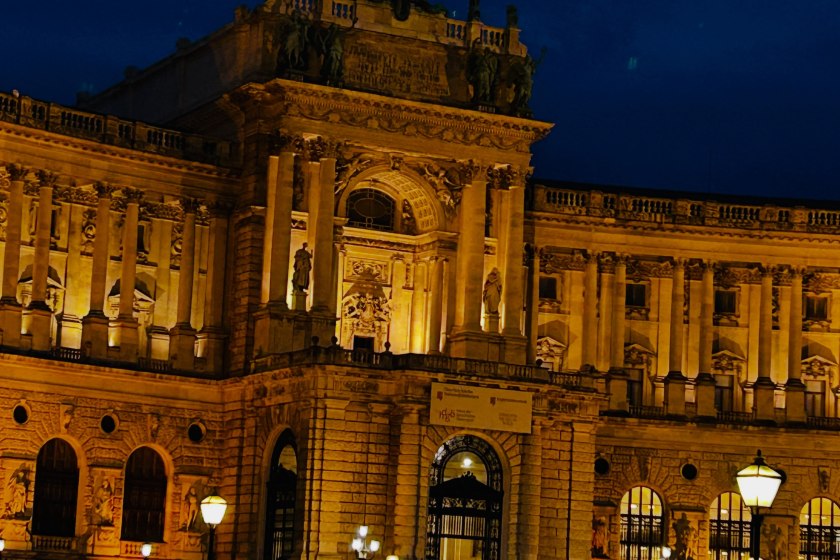
The palaces, in ascending order of jaw-drop: the Belvedere, two baroque palaces facing each other across gardens, home to Klimt’s The Kiss; the Hofburg, the sprawling imperial winter residence in the middle of the city — Spanish Riding School, imperial apartments, Sisi Museum, the works; and Schönbrunn, the summer palace, all 1,441 rooms of it, with gardens that keep going until your feet file a formal complaint. Marie Antoinette grew up there. Mozart performed there at six. I walked the same halls at a pace more suited to a man looking for the café, which brings me to the point.
Vienna runs on two fuels: cafés and concerts. The Viennese café is an institution so serious it has UNESCO cultural heritage status — marble tables, newspapers on wooden holders, one coffee entitling you to occupy your table approximately forever; the waiters have perfected a manner that suggests you are tolerated, barely, and it is wonderful. And the music is not a tourist garnish here, it is the water supply: Haydn, Mozart, Beethoven, Schubert, Brahms and both Strausses all worked in this city. I attended concerts like a man being forcibly civilised and enjoying it against his will — a theme that reaches its climax in Prague.
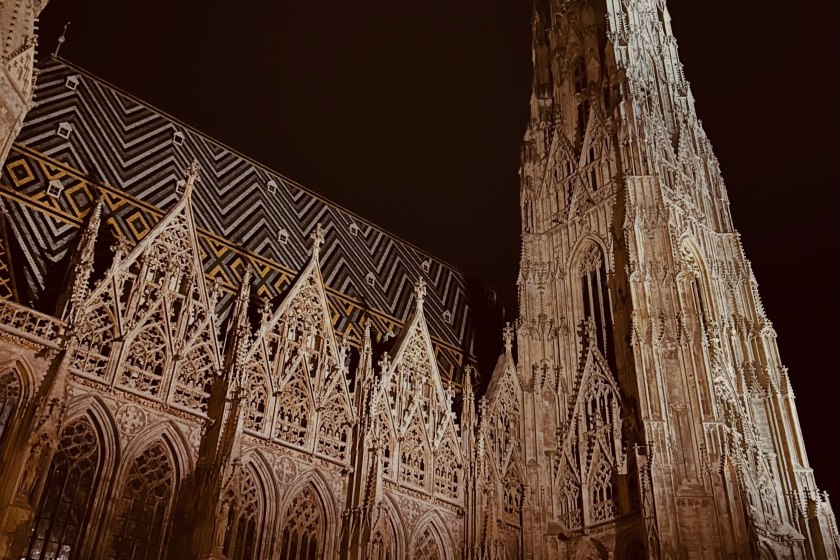
History’s shadow in Vienna is, if anything, longer. In the 1900s this most cultured of cities was also where a failed Austrian art student absorbed the ideas that would poison the century: Adolf Hitler lived in Vienna from 1907 to 1913, was rejected twice by the Academy of Fine Arts, and scraped a living selling painted postcards and watercolours of the very landmarks tourists now photograph. The Academy’s admissions board remains, for my money, the most consequential in history. When the Nazis annexed Austria in 1938, Vienna’s Jewish community — then some 180,000 people, the intellectual engine of the city — was humiliated, expropriated, deported and murdered; about 65,000 Austrian Jews did not survive. The Judenplatz memorial stands in a quiet square saying so, in concrete. Splendour and shame, one street apart. That is Vienna, and the city knows it.
Practical notes from a satisfied customer: the U-Bahn is clean, fast and so punctual it feels personally critical of my own scheduling; and the sausages — from a Würstelstand, eaten standing, Käsekrainer with its molten cheese core — are a legitimate meal category. I had them at hours I will not disclose.
Prague: Beer, Castles, and a Guide Named Pavel (Pavel the ignoramus)
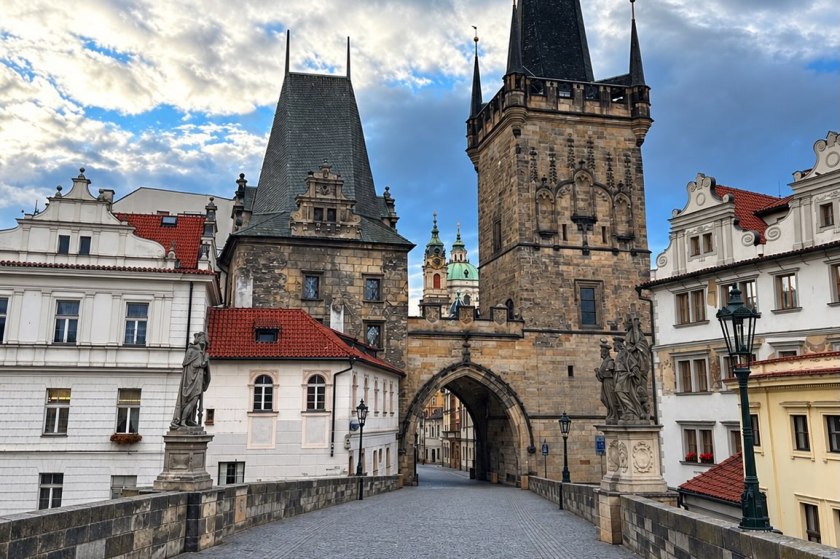
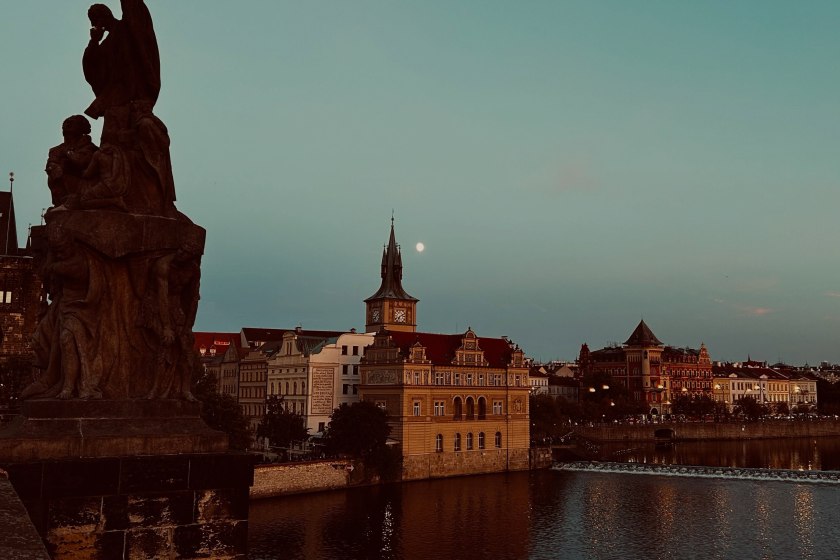
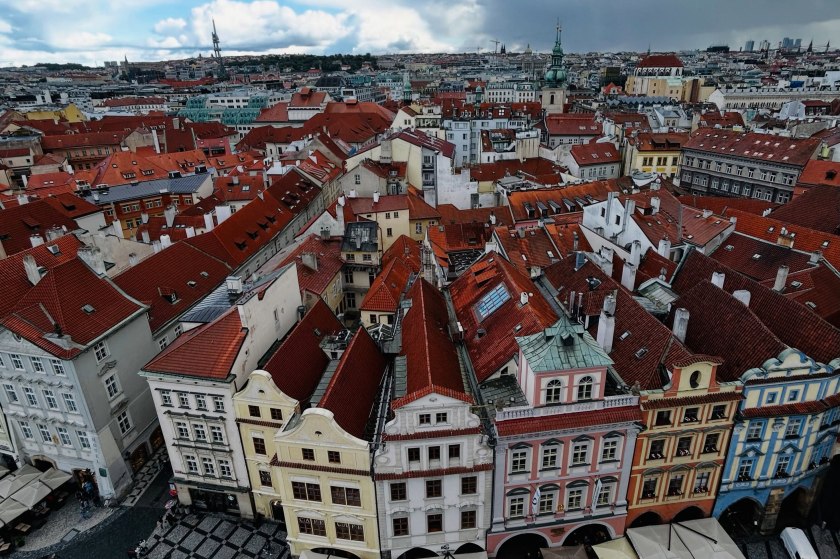
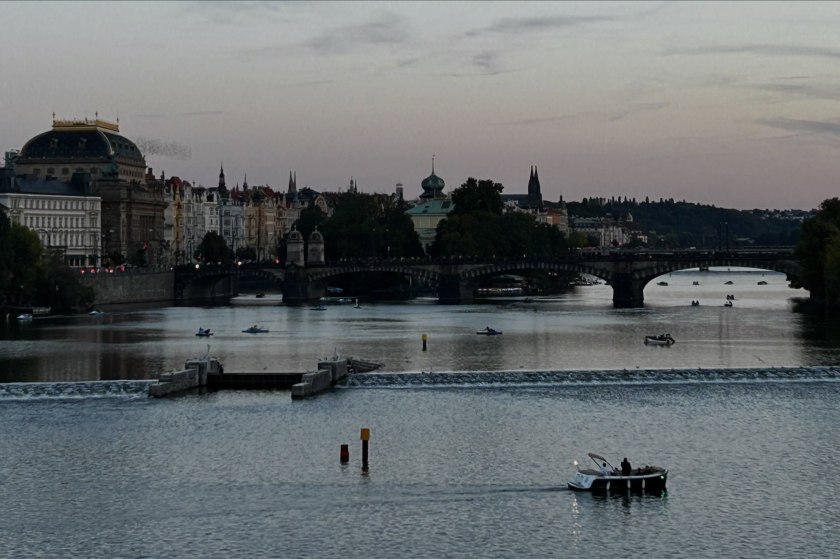
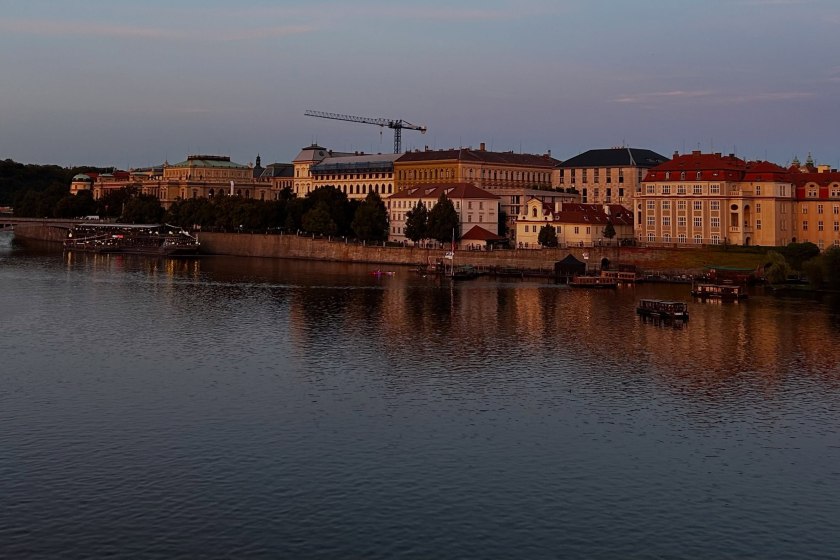
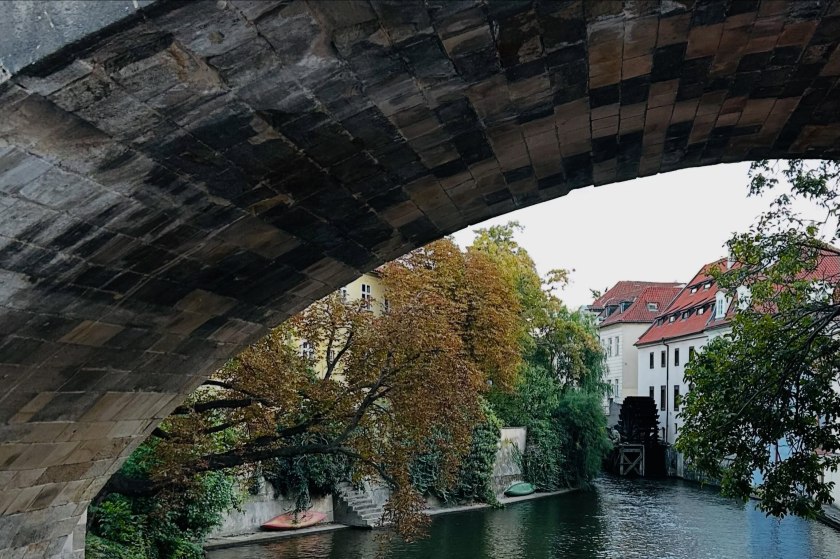
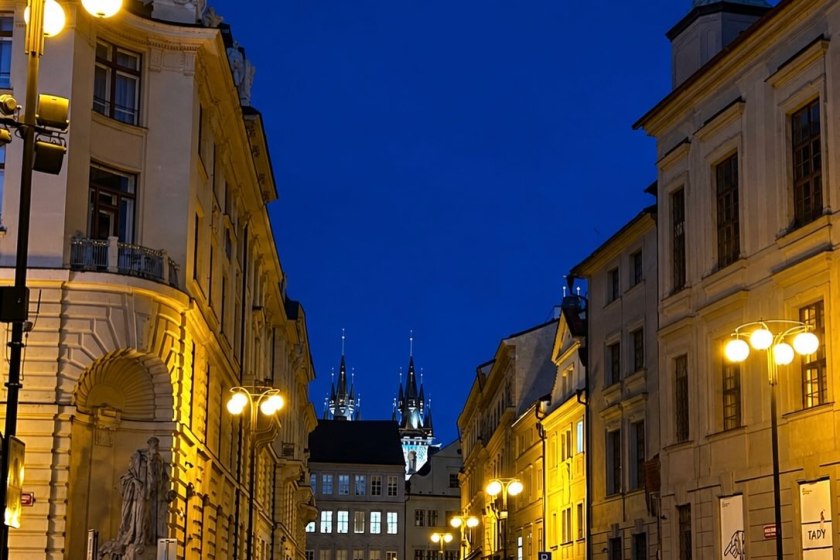
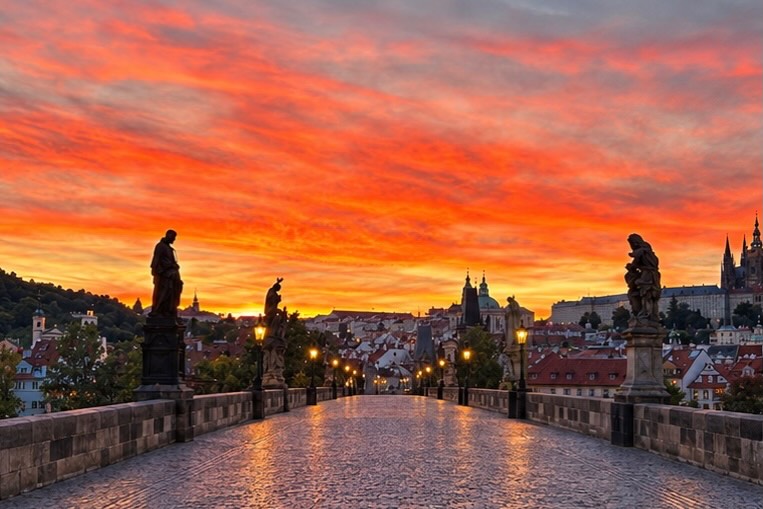
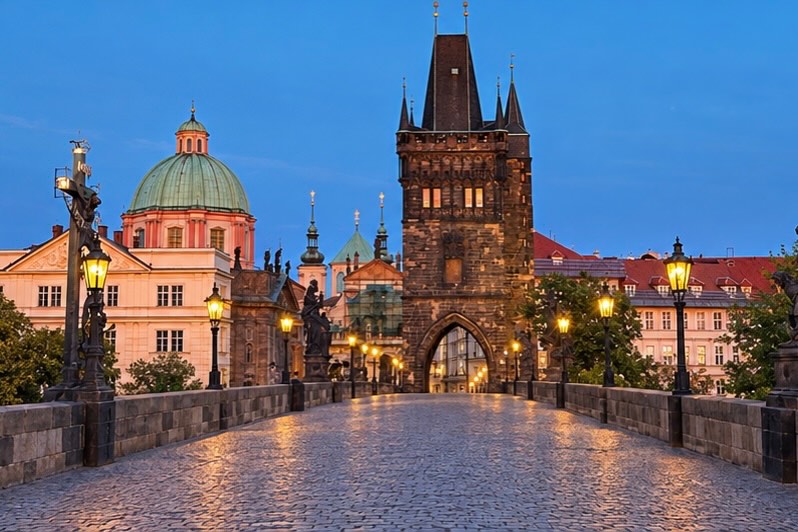
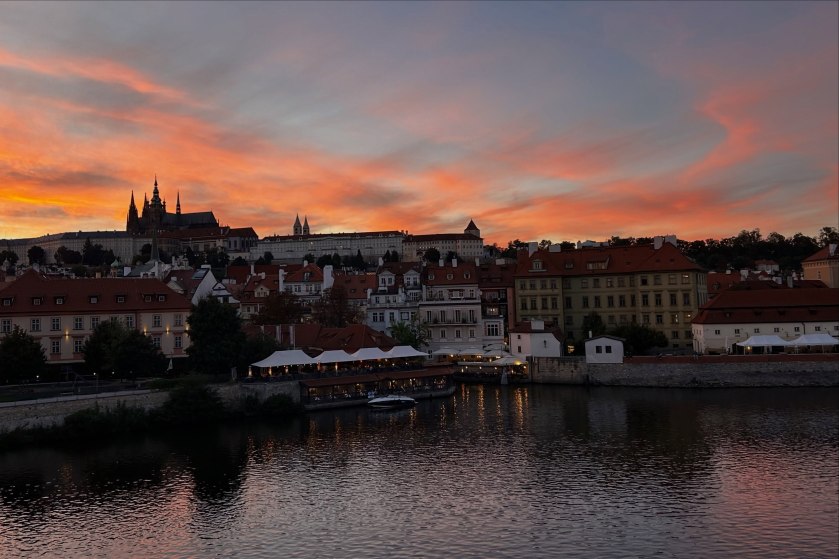
Prague is the city that survived. Largely spared the bombing that flattened so much of Europe, it kept its medieval heart intact: Prague Castle — the largest ancient castle complex in the world, a small town wearing a castle’s name — looking down over the Charles Bridge (1357, lined with statues, best crossed early before humanity arrives) and a tangle of lanes below. It is almost suspiciously beautiful, like a film set that charges admission.
The beer requires its own paragraph, because in the Czech Republic beer is not a beverage, it is infrastructure. This is the nation that drinks more beer per head than any other on earth, the home of Pilsner, where a properly poured glass in a local pub can cost less than the water in most Western capitals. I performed extensive quality control across multiple establishments, purely in the interests of this blog. The results were consistently excellent. The sacrifices I make for my readers.
Prague’s war story contains one of the Second World War’s most daring episodes, and my WWII tour rightly made it the centrepiece: Operation Anthropoid, May 1942, when two Czechoslovak paratroopers trained in Britain — Jozef Gabčík and Jan Kubiš — ambushed Reinhard Heydrich, the Nazi governor of Bohemia and one of the chief architects of the Holocaust, fatally wounding him. The paratroopers were hunted to the crypt of the Saints Cyril and Methodius Cathedral, where they held out for hours and died rather than surrender; the Nazis’ reprisals included the annihilation of the village of Lidice. Standing in that crypt, seeing the bullet marks, is not tourism. It is witness. And Prague’s Soviet chapter bears the date Budapest’s does not: 1968, when the Prague Spring — Dubček’s attempt at “socialism with a human face” — was crushed by Warsaw Pact tanks in a single August night, a year that still lives in this city’s posture toward Moscow.
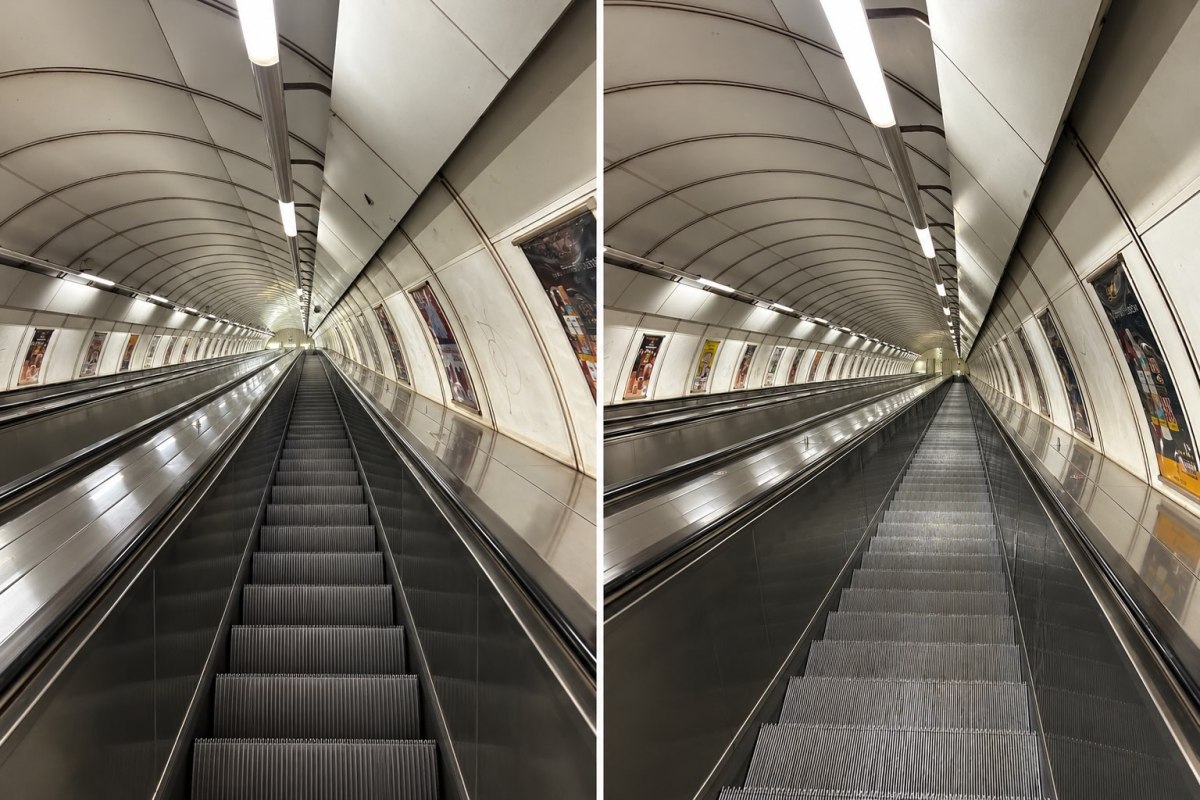
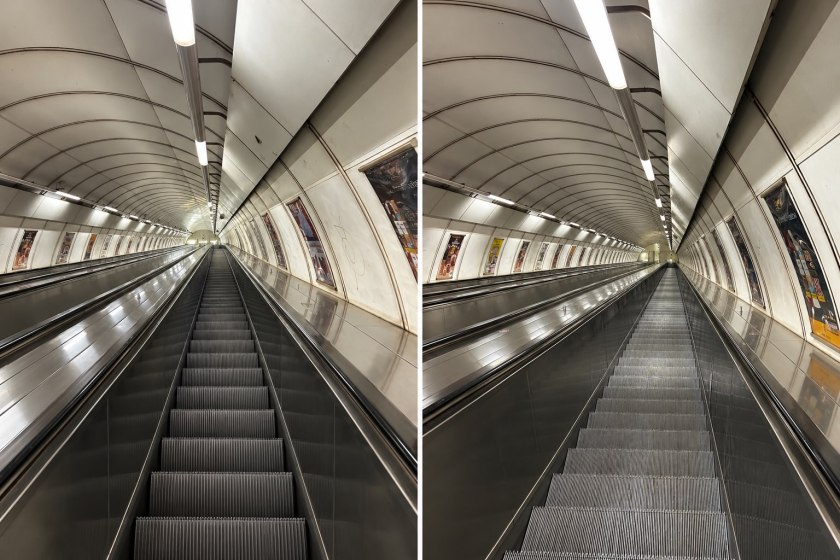
The metro is excellent and faintly theatrical — Soviet-era deep stations, escalators that descend like mine shafts, trains that come when promised. In Prague , I walked down the Cold War ; the deepest subway station that also doubled up as a shelter from nuke attacks during the Cold War era . So deep I had to shave after I came back up. The sausages (klobása from a stand, mustard, bread, no regrets) maintained the trip’s flawless sausage record across three countries.
I must also record, in the interests of consumer protection, our tour guide Pavel, a middle aged Russian dude settled in Prague who killed me slowly with his lack of knowledge. Pavel’s Prague was a city of mysteries: dates were “long ago,” kings were “some king,” and at least one major monument was, after deep consideration, declared “very old.” I have sat through project meetings with better-researched fiction. To be fair to Pavel — you cannot entirely blame some people for being idiots; idiocy, like the Habsburg chin, is an inherited condition, and he wore his cheerfully. We tipped him anyway. We are not monsters. We are merely reviewers.Pavel will live on, he will make others suffer, he will tell made up tales and thrive!
And the music completed what Vienna started: chamber concerts in baroque churches, Dvořák and Smetana in the city that raised them. Three cities, a dozen concerts and cafés later, the metamorphosis is undeniable and slightly alarming to those who know me: I am almost becoming civilised. The man last seen in shorts at the North Pole, applauding Vivaldi in a Prague church. Growth is growth.
The Missed Connection, or Man Proposes, Airlines Dispose
The trip’s final chapter was written by the aviation industry. On the way home, I missed my connection at Prague to London — one of those slow-motion airport tragedies starring a tight layover, a distant gate, and a supporting cast of fellow travellers moving with the urgency of grazing cattle. Somewhere in that terminal, watching my onward flight close without me, I arrived at the philosophical position I now offer as this blog’s only travel advice that matters: you cannot blame some people for their being idiots. It is not malice. It is load-bearing idiocy — structural, permanent, and entirely unbothered by your itinerary. The correct response is the response I eventually managed, after some vocabulary: find a bar, order the local beer — Prague, mercifully, makes this easy — and let the rebooking happen to a calmer man.
Some Fun Facts & FAQs
Are the three cities really that different? Yes — Vienna is the empire’s drawing room, Budapest its rebellious younger sibling, Prague its fairy-tale vault. Same family, very different children.
Best single sight? The Budapest Parliament from the Danube at dusk. The photograph does not do it justice; go anyway and take it.
The sausage league table? Vienna’s Käsekrainer wins on cheese engineering; Prague’s klobása on atmosphere; Hungary respectfully redirects you to goulash and takes the points there.
Most civilising moment? Vivaldi in Prague. Least? The floor is open; Pavel has entered the chat.
Would I go back? Before the question is finished. There are palaces unfinished, cafés unlingered-in, and a connection in Prague airport that owes me a rematch. Yes I will!
Three capitals, one empire’s ghost, a century of history at point-blank range, and one man becoming civilised against his better judgment. The air is free now, the people are warm, the sausages are yummy and the beer is cold. I checked. Extensively.
Na zdraví, Egészségedre, and Prost — Ash


