Murakoze Rwanda- Journey to the land of a thousand hills and a million smiles

My own piece on my mission to Africa- Opinions are my own, mostly facts and any resemblances to goats, people are purely intentional.

The Bridge that launched a million smiles!

The bridge the mission and instances of my own ineptitude!

Embarking upon the mission was a mix of nervousness and excitement and in spite of several discussions with my predecessors I had that lurking fear of heading into the unknown. Wikipedia, You Tube, first hand accounts do not prepare you well enough, you can watch, you can read, you can talk but unless you get your own boots on the ground its hard to experience the feeling of being in Central Africa.

And being a bit wary, the first flag was when the visa I had applied for came back within 48 hours and with an error wherein they had listed my birthplace as Turkey. Little did I know I looked like a Turk (which to me was a compliment!) ; however a simple one line email fixed that. The Rwandan embassy came back to me less than 24 hours later and corrected it and issued me a visa that was accurate. What made it even better was their use of the valediction– “Welcome to the land of a thousand Hills and a million Smiles”. That was that one boost I needed to look forward to my adventure.

The desire to do something different, be part of something that enables a few smiles is what most of us aspire for. And you don’t need to jump on a plane and travel halfway around the world to do that; you could do it in your neighborhood. But what prompted the Rwandan mission was to make a difference to people that are starved of the basics in life, people with real problems, people with real challenges. Not people who complain about the heat and humidity or the fact that their network speed sucks.

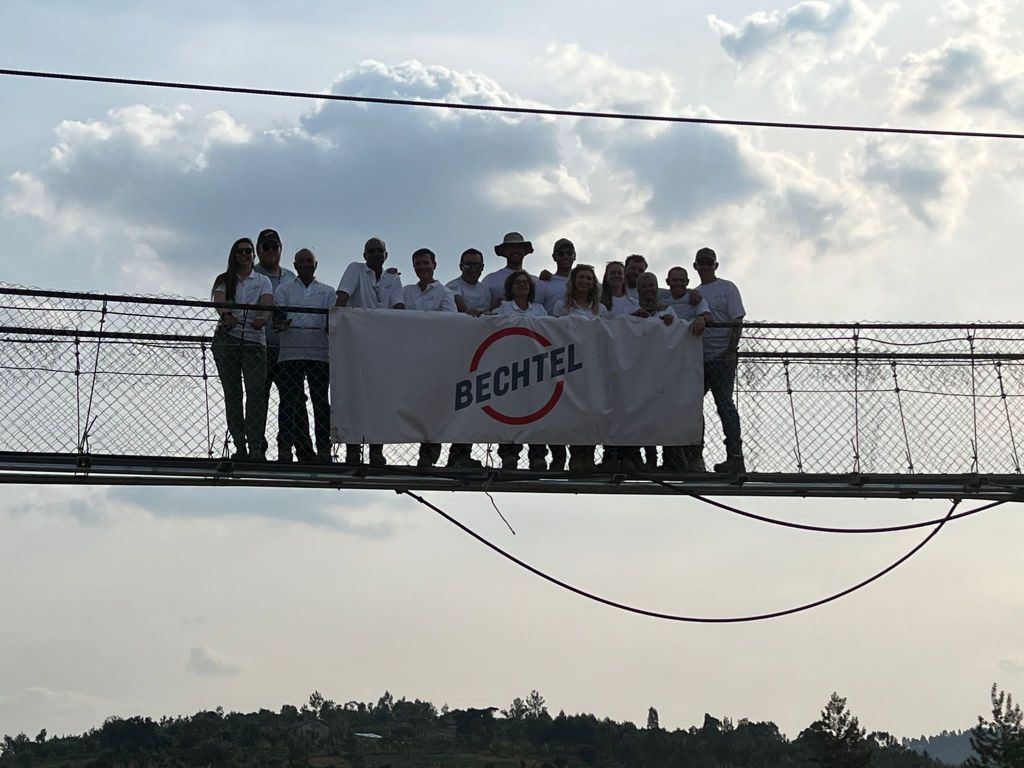
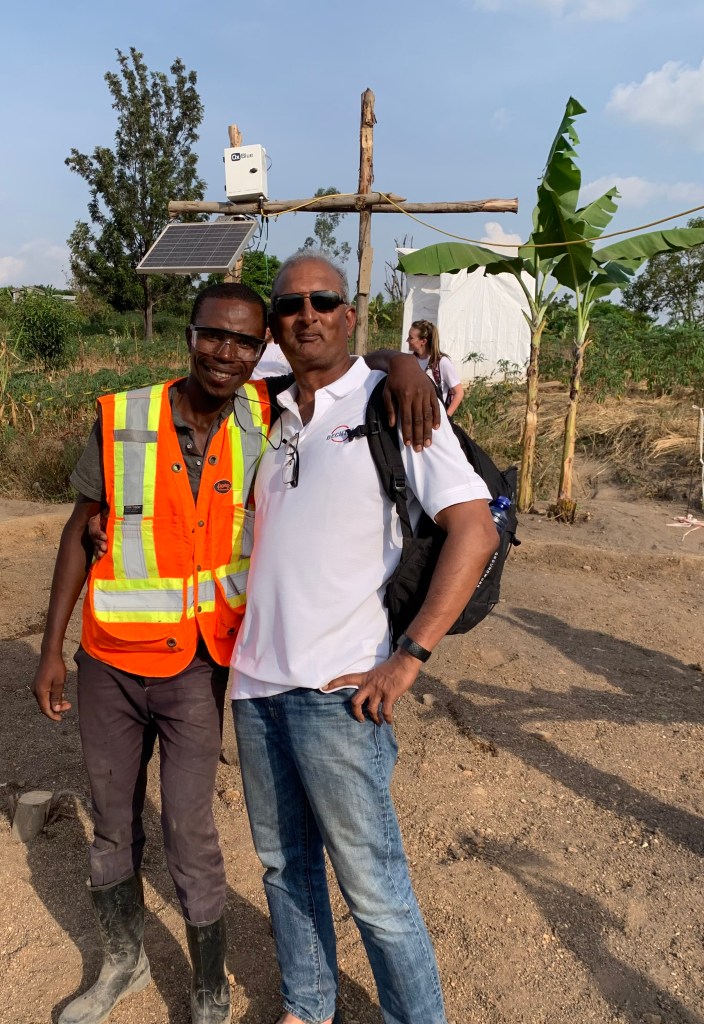
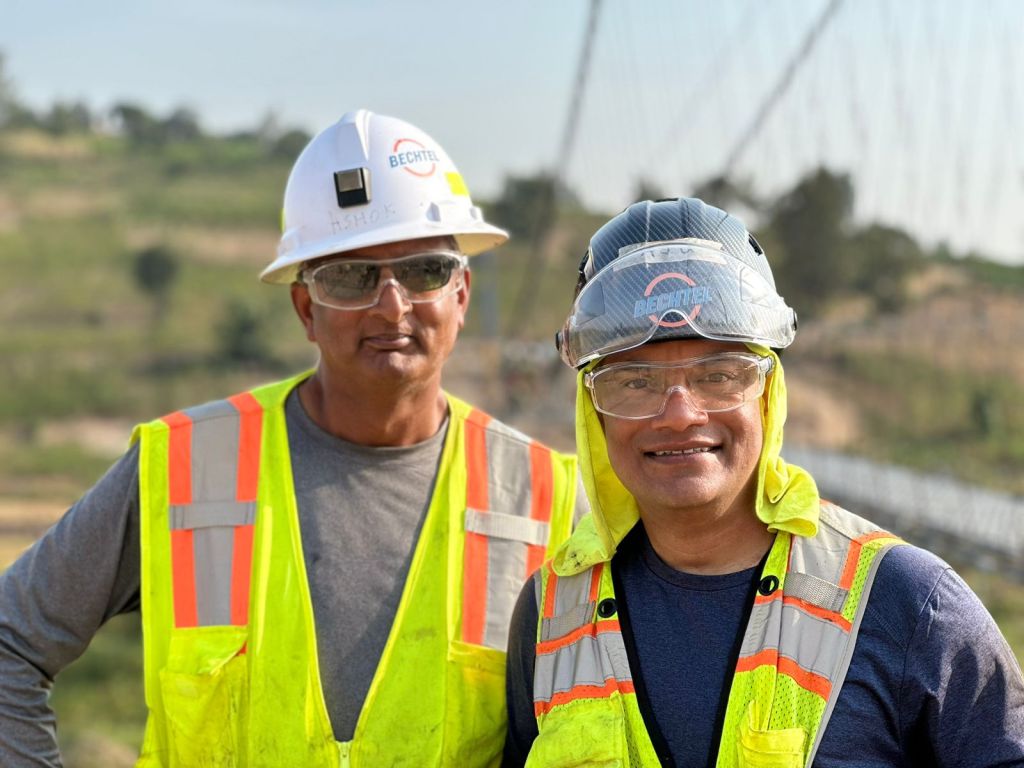
There we are- A team of 15 from different locations around the globe working with Bridges to Prosperity (B2P) to help build a 140M Cable suspension bridge in the Nyanza Province of Rwanda. A place south east of the capital city, Kigali and million miles away from the comforts of home.  B2P is essentially a Denver based NGO that work with developing nations and corporate partners all over the world to make the world a better place by building bridges in rural areas. Here’s the link to their website

The funding was almost in place and the thanks to several colleagues and friends, we were able to raise up $60K in just about 3 weeks. Kindness and generosity ain’t dead. The prep work consisted of grabbing everything that may have some use – Getting vaccinated for almost everything but Rabies and yellow fever. After copious reading and research, I found yellow fever shots are not needed for Rwanda and rabies- well that was just way too expensive and I made a mental note not to pet the gorillas or for that matter any mammals when I got there. If I had a compulsive desire to pet a goat in the village I would gladly ask one of my vaccinated co-workers to do it on my behalf!
Visa check, cell phone check, vaccination check, camp mattress check, pillows check, personal safety gear check and of course sun cream. It had only taken me 27 years to realize all skins burn, yellow, white, black and brown- and its not just a White privilege!

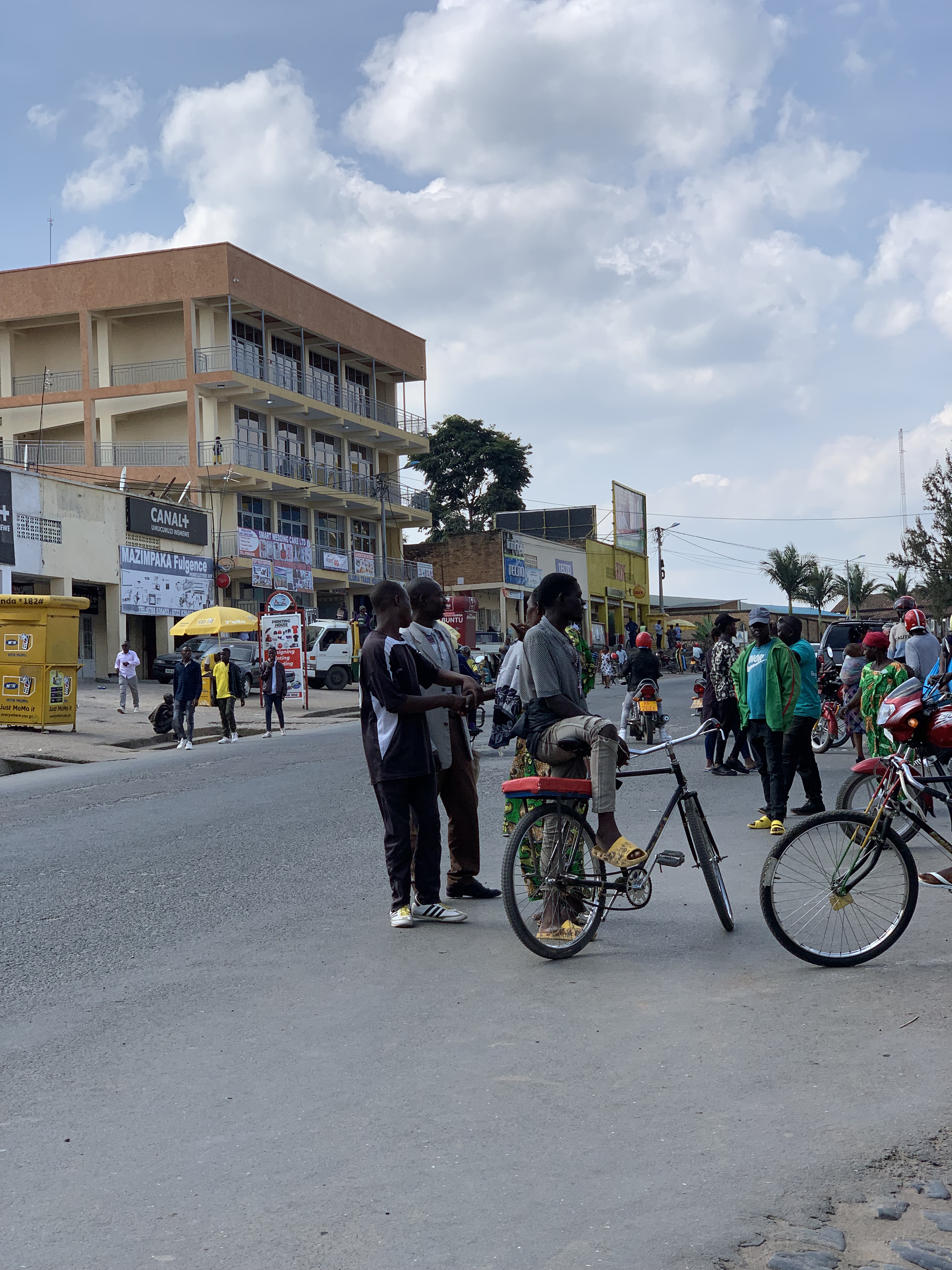
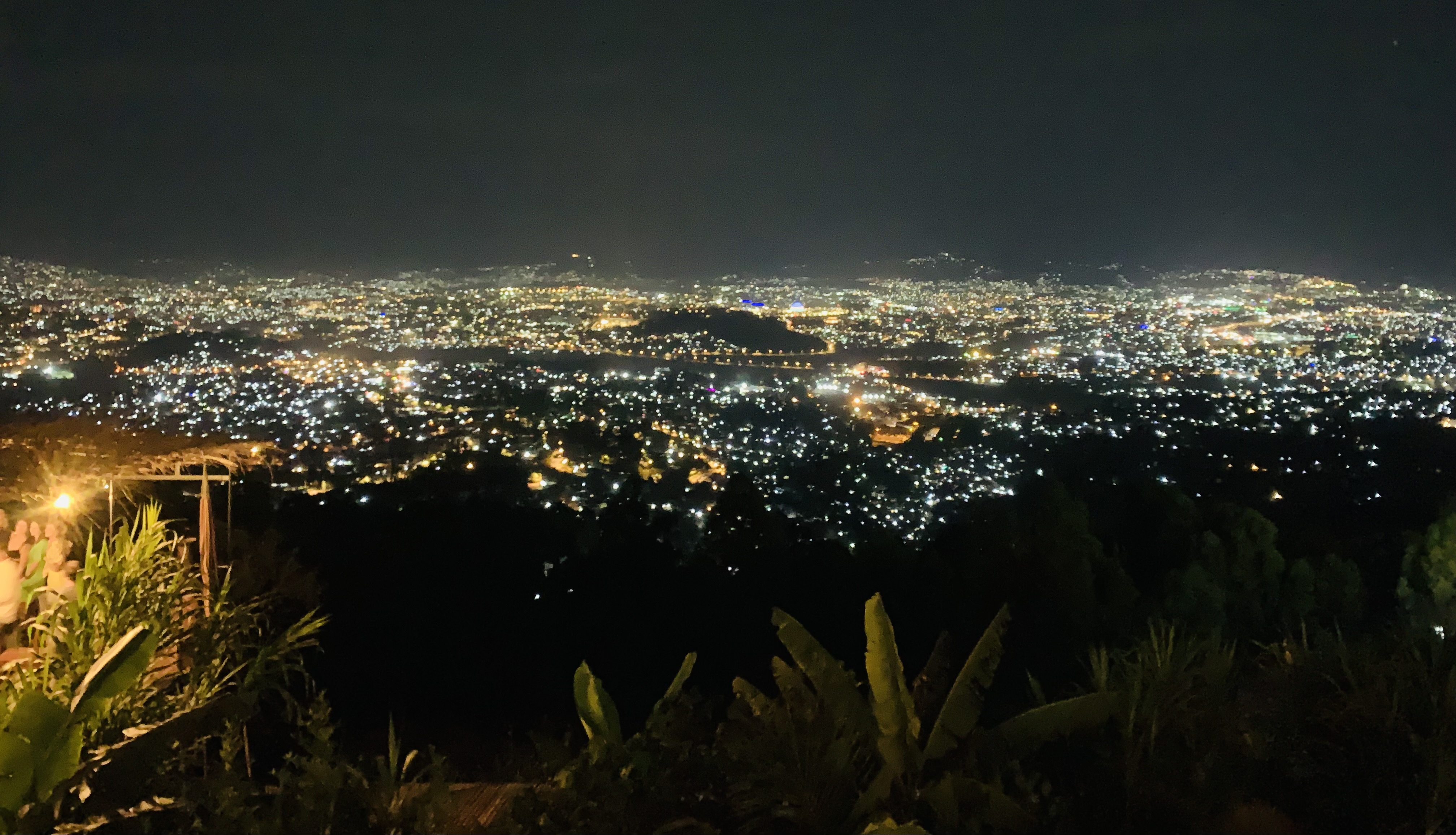
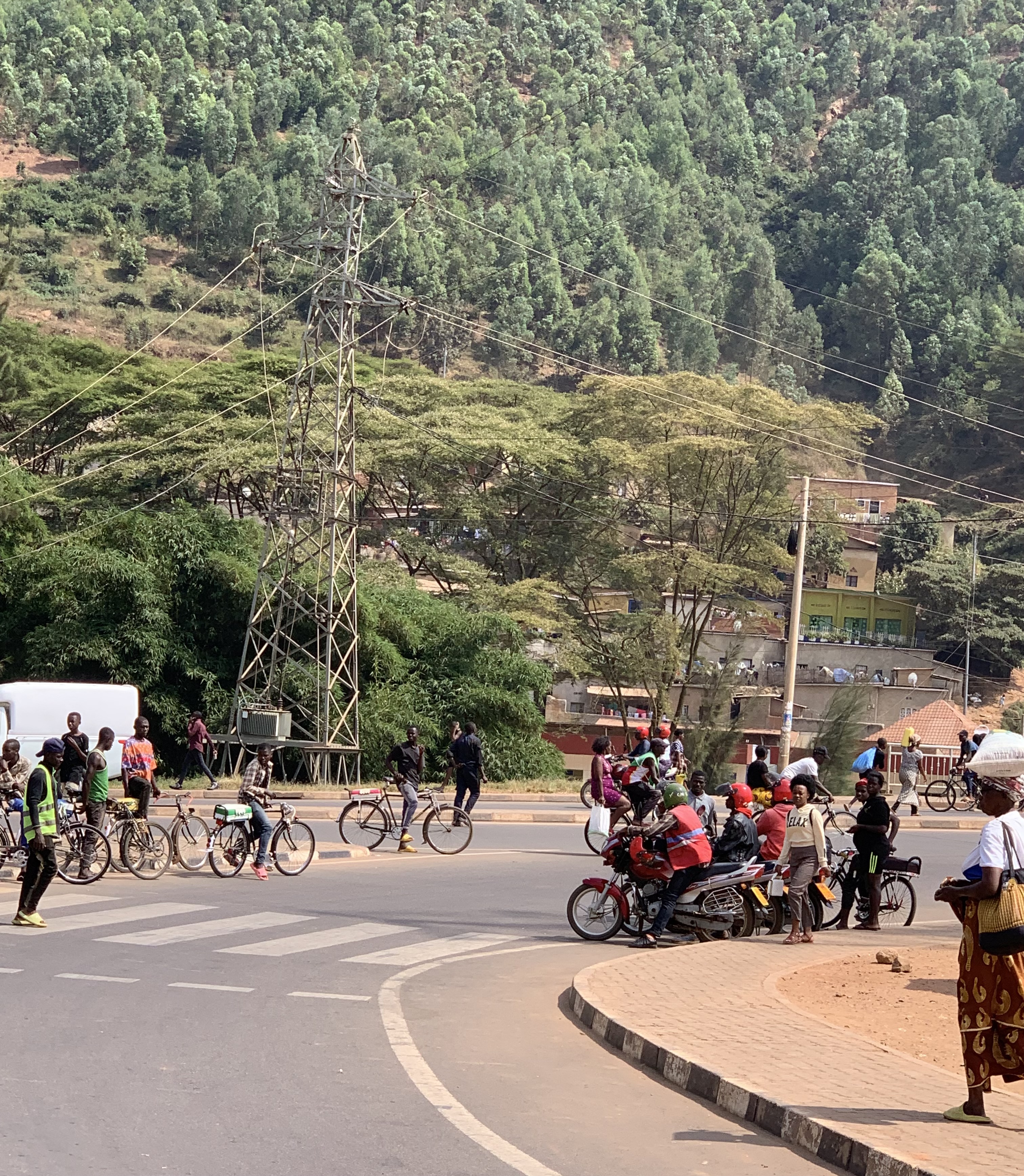
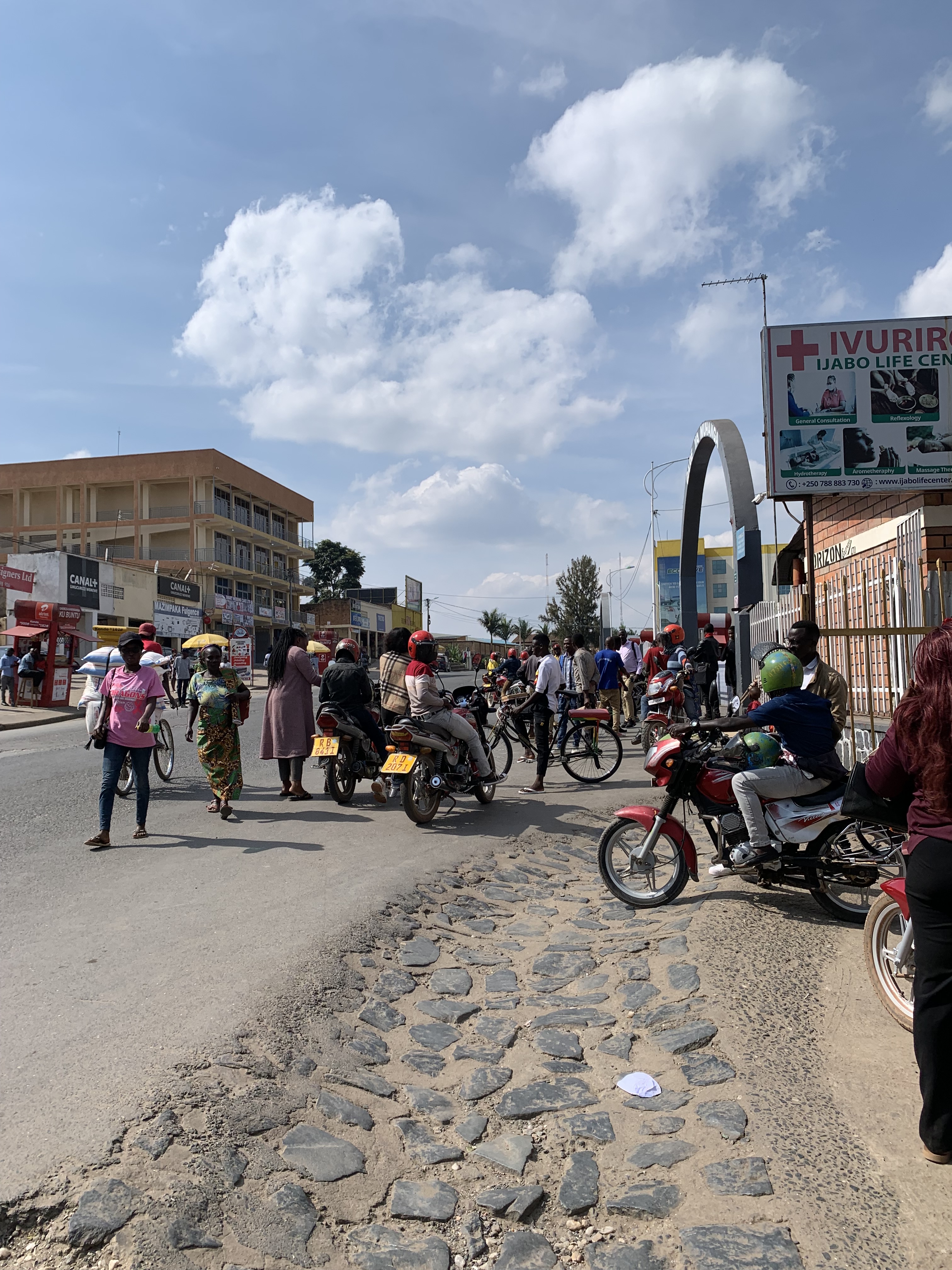
After a long haul flight from Houston to Istanbul and then on to Kigali- That was a journey and a half. What I noticed is the detour flights takes heading into Africa since Sudan was a no-fly zone and I couldn’t wait to get my feet on terra firma. Fortunately better sense prevailed and I had decided on getting there a day early- Acclimatize and getting to spend a day in Kigali. What did strike me on my way in to the hotel was the unlittered clean streets . Just a surprise considering every third world country I have been to , garbage is sort like a trademark. I later found out two very interesting facts. One Rwanda banned use of plastic bags in 2009 and every fourth Saturday at the end of each month, they ban all vehicular traffic for 3 hours and every citizen gets going and helps keep the streets clean. Umuganda is a national holiday in Rwanda taking place on the last Saturday of every month for mandatory nationwide community work from 08:00 to 11:00. Participation in umuganda is required by law, and failure to participate can result in a fine. The program was most recently re-established in 2009, and has resulted in a notable improvement in the cleanliness of Rwanda. That is just awe inspiring and so unexpected but explains a lot.

Rwanda has quite a troubled past and those of us that were old enough to follow world events in the early 90s, the genocide was a highly dark chapter in their history. While it all culminated in three months in 1994, where over a million Tutsis were systematically killed by the Hutus in an incredible spate of violence. Practically families, neighbors and friends turned against each other in an orgy of murder that has thoroughly traumatized society. This chapter of Rwandan history is still green and quite an emotional one and one of the drivers I spoke to in detail opened up to me on the horrors and the aftermath of it all. You are best advised not to broach this rather sensitive saga with the locals. I did get an opportunity to visit the Genocide museum in Kigali, which in itself was a gut wrenching, emotionally draining experience. A must visit if you happen to be there.

Heading to the town of Ruhango and settling in to our accommodations- A shock a surprise but took me about 2 hours to get accustomed to the basics of nature. It was like being in a dorm- Three to five people to a room and a small matter of sharing a communal bathroom; one between the 22 of us including the Bechtel team, the B2P staff and the like. Using the term “shower” is an exaggeration, I’d better use ablution facilities to represent the water filled bucket and the squatter’s toilet. Basic but gives you a perspective of what the local community accepts it as a norm. The sleeping quarters where you start to get used to all the moans, groans and snores which I would christen as the “morbid symphony of Ruhango”

Use of common greetings in Kinyarwanda struck quite a note with the locals and helped “bridge” any apprehensions felt initially. The terms “Mwaramutse” (good morning), “Mwiriwe” (good afternoon”), “Murakoze” (Thank you) were the most popular ones. At work it was a slightly different tone with cries of “Hagarara” (Stop), “Yego” (Ok) and “Tugende” (Lets go) and that reverberated all day long.

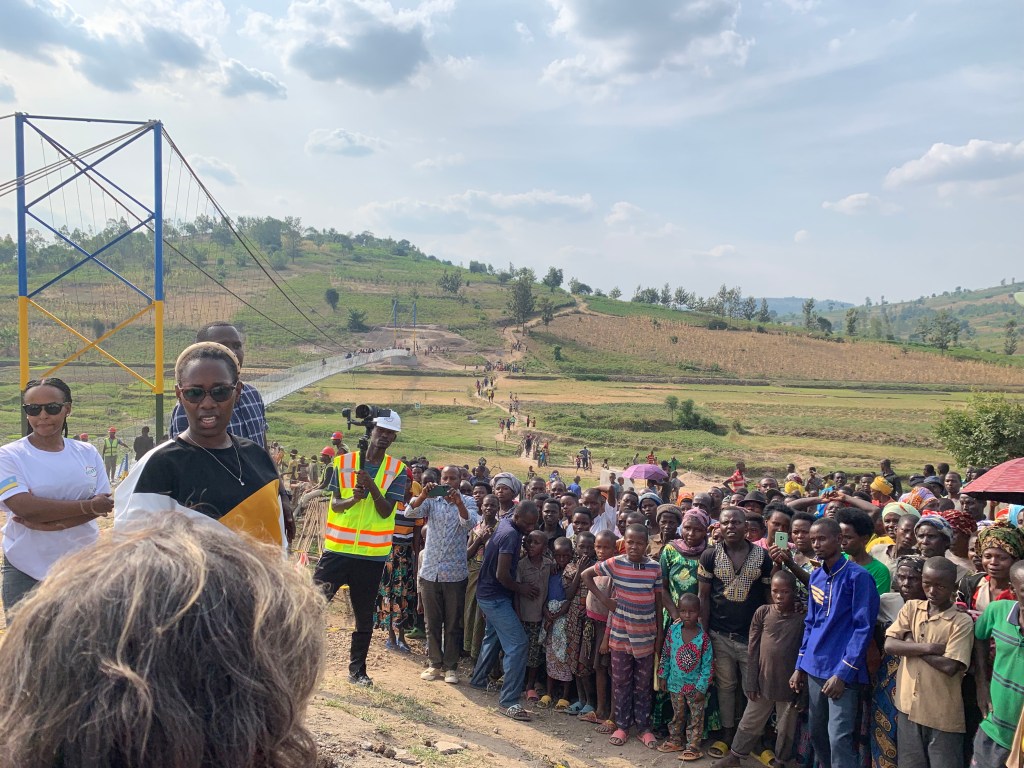
An endearing experience will always be the screams and cries of children that would chase our vehicle through the small hamlets as we commuted to the bridge site. Cries of “umunyamahango” (Foreigner) and “Goo-doo morning” would echo is my head for years to come. And when the kids came over watching the build and some of them venturing out to make friends with us with was just the elixir we needed to keep going. For some of the team, this was highly entertaining and novel but from those that have been to or grew up in impoverished regions, this is just how life is.

The bridge itself- All I can say is the teaming with the local community was a refreshingly amazing experience. The level of collaboration, being in the ditches with them working under the searingly hot equatorial sun was something I had not experienced before. It was hard manual toil and you had to hydrate yourself constantly and not to forget to apply copious amounts of sun lotion and definitely not a walk in the park. That’s something I have to emphasize – Its pure hard work and while it would all seem glamorous on the surface and “cool”, it’s a testimony to the efforts of the crew on the ground and the backroom staff that made this endeavor possible.

And a note on my own skills (or lack of it!)- For a person that had glued his own knees to the floor while installing floor tiles, I am rather proud to come off unscathed. My ineptitude with handling small tools is legendary and I only wish the poor villagers and my co-workers in the Nyanza province did not have to see me monkeying around with impact wrenches, grinders and even a pair of pliers! If Neil Armstrong said that small step was a giant leap for mankind, using an impact wrench to tighten a small bolt was nothing short of spectacular! An Indian in Africa may not be big news, but an Indian trying to wrestle with a grinder on his own without any adult supervision is folklore! And hey who better to make fun of me than me, right! As they say, it all worked out in the end and I am back with all my fingers and toes intact.

At the end of the two week period, we could look back with a sense of accomplishment and be proud of what we had done. Built a bridge that would link the communities together. Built some friendships, built a legacy and in my best German accent I could say “I’ll be baack”

The larger team had a mixbag of characters – From the sublime to the ridiculous, from the protected to weathered professionals, from strategists to wannabees. It takes all kinds to make this work. And one thing of note- People took to drinking warm Primus beer at the accommodations like a duck to water not because they loved it but because it was better than the other option.
And how could I ever miss our partners in crime- The goats. Of course the goats that seem to rule the roost in the valleys of Ruhango. With deep regret and sympathy I must mention we had to procure four of these hoofers to provide a feast to the local craft in form of a barbeque lunch. They were carefully procured, tested , butchered and grilled and apparently they were a hit with everyone, well not everyone so its with mixed feelings I say this with no bias- One person’s sorrow may be another one’s feast.
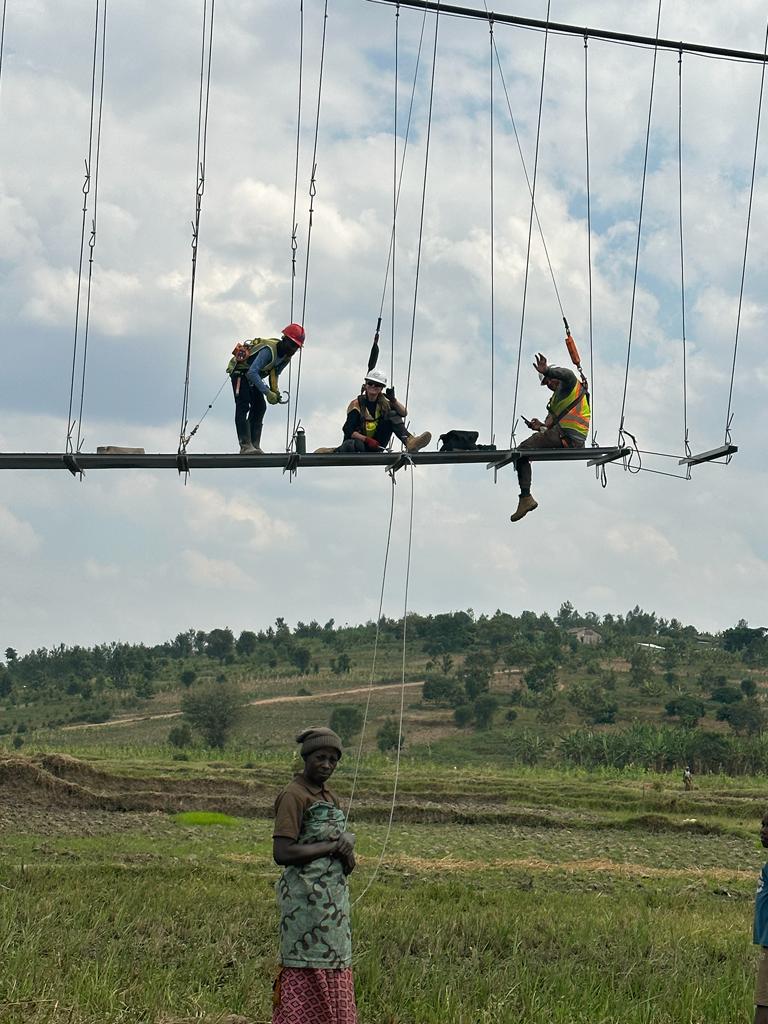
Cannot say I have regrets- It would have been nice to get a day off and go off see the big 5 at the Akeygera National reserve but they will always be around and we will always be back. Small price to pay for the rewards.  Well, the gorillas would just have to wait to get their sighting of Ashok!
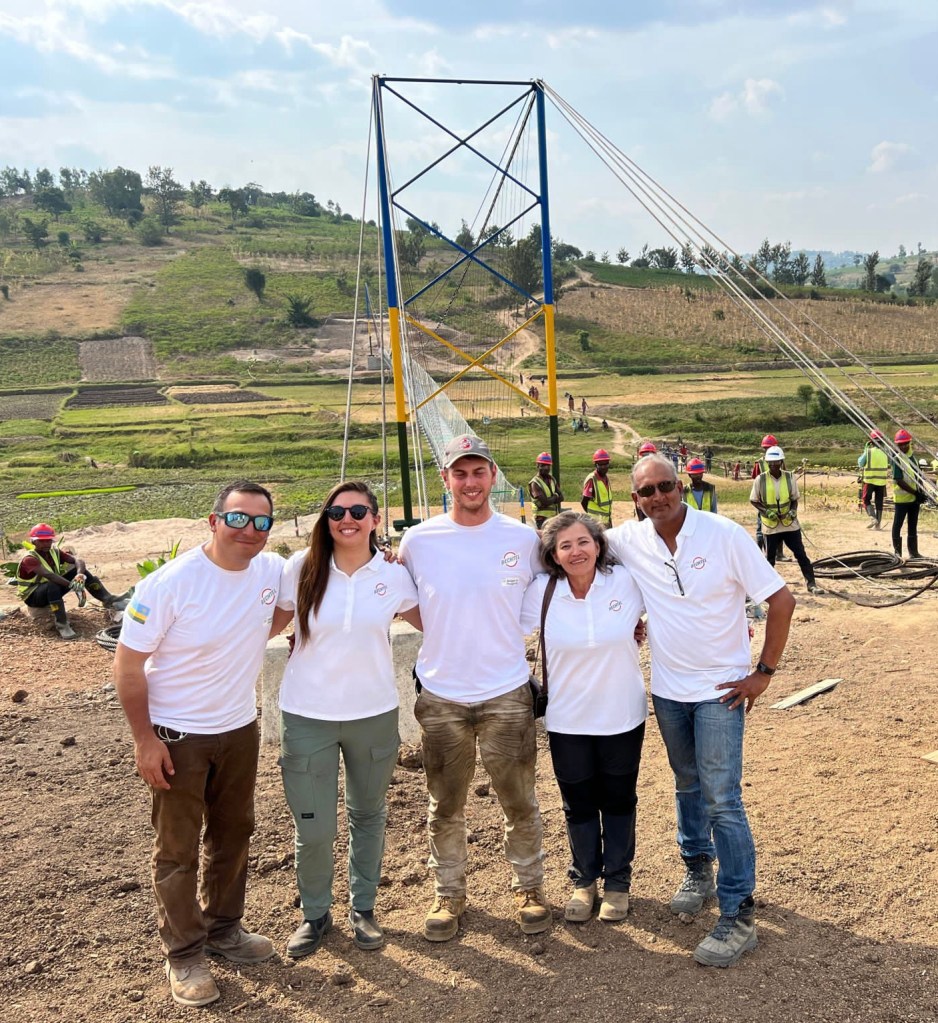
Murakoze Rwanda – You are definitely a cherished memory and you did walk the talk- The land of a thousand hills and a million smiles!

Do not be a Wildebeest! Cost vs benefit-$$

Cost vs Benefit? What gives?

It’s a project and yes changes are inevitable and to a large extent, so are delays. On a construction project, a delay could mean a critical path delay which for most part is instantly discoverable when it occurs. A cumulative delay is more of a cancer that continues to eat the project and is usually not discoverable until sometimes its too late. Do not be fooled into a false sense of security; if your end dates are holding just because your schedule says so, that’s only part of the news. Continue looking into how your project is going, are you making physical progress, is your SPI decent?

Back to the main story, when delays happen, project management reacts and most likely they will get all hands on deck and scream “Recover!” Yes, I know panic stations set in and all that but after the shouting, slow down and get down to doing something that will lend some sanity to the situation.

Ok, there is a delay and you have to recover, but here is the catch do you really need to recover? Remember all said and done, recovery costs $$!

A few points to consider-

  1. What do you achieve by recovery? If your project was ahead of schedule and even after the delay you can still deliver when the customer wants it, do you still want to recover.
  2. What do you gain by recovering? Is there a substantial bonus at stake?
  3. If recovery is going to cost you $ X and end results do not matter to the customer as long as product is delivered when the customer needs it, why spend the $$!
  4. If delays are translated into lost revenue for you in terms of liquidated damages amounting to $ X, but if the recovery costs you $x + $y, do you still want to recover?
  5. If the recovery helps gaining net revenue for you and protect your reputation by timely delivery, yes it may be worth it.

If you can truly slow down and assess the real cost-benefit of recovery, you are on the right track. Do not be wildebeest and go with the herd, learn to stand out and think on your own, a lone wolf perhaps?

Raquel Lopez- An interview

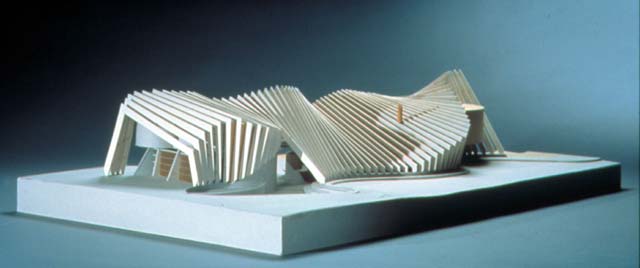
Raquel López is from Spain. She is a successful architect and much more. She is also a translator, trainer and a multi faceted blog critique. And to top it all up, she also writes. Her responses echo her talent and that wry sense of humor.

A mini interview-

Q- What is your profession and tell me about yourself, your background?

  1. I am A Spanish architect. I am very fond of all that has to do with Art&Creation. I also write fantasy stories and I sing in a jazz band.


Q- What drove you to choose this career path?

  1. Architecture is an artistic engineering. I like the combination of those two extremes.


Q- Have you moved a lot for your profession and do you like travelling?

  1. I love travelling, but, unfortunately, all jobs that include staying abroad for a while are usually given to male Architects.

MA


Q- What in your opinion are the three major traits to be successful in your profession?

  1. Ambition, hard work and relatives who are architects.


Q- What have been your biggest challenges over the course of your career?

  1. I cannot recall all of them: since the very moment I put my feet on University ground my life became a hard daily challenge.


Q- Would you recommend this profession to young hopefuls?

  1. Only if they have a strong vocation and an Architect daddy.

Q- What is your advice to young graduates and professionals?

  1. If you want to live in peace, choose another path. Women architects: your profession might become your own Mr. Grey.

The Interview series- Feedback sought

I hope you’ve been enjoying reading the last few interviews published on this blog site. I am trying to cut a swath of a good cross section of professionals ranging from Americans to Aussies to Indians. The next step is to get insights into some female professionals who have IMG_0958.JPGmade it in life.

I am hoping this will further keep the enthusiasm alive and attract more readers. Thanks for the comments and keep them coming

An interview- Heath Suddleson

LDRHeath Suddleson is a management leadership consultant and a published author as well. Heath comes off as a gregarious personality, gets along with people like a house on fire and seems to have a degree in people. He shares his thoughts with us today.
  • What is your profession and tell me about yourself, your background

I turn project managers into project leaders. I am a professional trainer for leadership development in the project management space.  For more than 25 years I have managed design and construction projects all over the world.  In addition to being in some leadership positions in the corporate space, I have held many leadership positions with Not For Profit organizations.  In one of these global Not For Profits, I served on their International Board of Directors.


  • What drove you to choose this career path? As my job required me to conduct more and more training, I realized how much I loved doing the training more than the project support. One benefit was that when I was conducting so much training there were fewer project demands I needed to meet, which lowered my stress level. Still, the biggest benefit was actually seeing those “ah ha” moments in the classroom as people began to connect the dots. There are few rewards greater than knowing you have helped someone improve themselves and their lives.


  • Have you moved a lot for your profession and do you like travelling?

I have changed companies more than a few times, in part because I didn’t want to move my home. In the construction industry, it is difficult to always stay in one area because you need to go where the work is located.  Wanting to stay home based, it did cause me to do a lot more travel.  In some aspects, the travel is great and you get to see exciting parts of the world and experience different cultures.  However, there is a dark and lonely side to travel that takes a toll on the body and the soul.  Spending so many countless nights eating dinner alone, not seeing your family, not being there for the plays and piano recitals of your kids all makes the road that much harder.  Now that I own my own company, I have more control over when I travel, how often, and how long each trip will be.  That makes the travel more fun again.


  • What in your opinion are the three major traits to be successful in your profession? To be successful as a trainer, there are three levels of mastery. The first is to be a subject matter expert. There are some out there who think that if you can present well you can speak about anything, but the truth is that your credibility is based on what you have accomplished and what you can teach others who have similar experiences. When teaching technical skills in the workplace you will not be the only expert in the room.  Lose the confidence in those other experts and you will quickly lose the class.  You have to know your stuff.  The second level of mastery is to be an engaging presenter.  Especially in the engineering fields, many presenters are lack luster and some are just plain boring.  If you are going to present for hours on end, you better be entertaining and engaging.  The third level of mastery is to be a trainer.  Again, there are misconceptions that if you have the first two levels licked then it’s easy to be a trainer, but it is a completely different set of goals to be able to gauge the knowledge gap and when you find one know how to fill it.  You need to be able to adjust material based on the class attendance and not just the slides.  Being a true trainer is to master all three levels.


  • What have been your biggest challenges over the course of your career?

The biggest challenge over my career has been learning to deal with difficult people and to not become one myself. The construction industry is filled with people who lack people skills.  On some projects and in some companies, those who are the harshest to deal with are sometimes celebrated, which only promotes less focus on human capital.  Of course, those people cost the company money in ways unseen through high turnover of staff, loss of continuity, and sometimes even lost clients.


  • Would you recommend this profession to young hopefuls?

The construction industry, yes. It is a great industry if you want a lot of great opportunities to work on projects that have real meaning to people.  There is a sense of satisfaction when you go see a completed project and know that you were part of the team that made that happen.  The pay is good and the chance to travel is great.  Just know that it will be long hours and high stress at times.


  • What is your advice to young graduates and professionals?

My advice to graduates and young professionals is to do something you truly enjoy. If you love what you do, and you are doing what you love, you will do it with passion and inspiration.   Because you are putting so much of yourself into your work, it will be recognized and you will be rewarded.  Millennials seem to understand the concept of work-life balance more than previous generations.  There may be some changes in the workplace coming as a result of this that will be seen in another decade.  Why this is important is because those people who succeed the most are those who can see where the market is going more than where the market is now.  See where it is going and put yourself on the leading edge.

The ethos of Multi National teams

The concept of travel and time and travel in time have been fascinating forays for most of us; travel enhances the outlook no doubt. Wheeling and dealing and working in teams that afford complete engagement with multiple cultures and nationalities is the pinnacle of diversity. As the world started to shrink in the late 90’s and global village came into existence, goal oriented teams became the norm, irrespective of who the team members are or how diverse they may be or what corner of the earth they may be based in. And speaking as someone who grew up in a socialistic Indian public sector, the limited exposure of dealing with someone outside of India was the Soviet influence in setting up steel and heavy industrial plants. Then the 90’s happened.

The IT sector may be what is perceived as a classic case of the culture mixer, but EPC industries have possibly made this step way before the rest. Imagine this- A team working towards constructing and commissioning an industrial plant located remotely at a fast trace pace with just over 200 people thrown in. This is where a team will thrive like a bunch of seamen thrown together in a submarine for a few months. During these times, boundaries cease to exist and focus of the individuals becomes the common goal, the goal to deliver.

Being part of a multi cultural team and even better leading a multi cultural team is seen as a person’s forte. An effective leader is thus born; any leader that can get a project delivered through a multi national, multi cultured team can inevitably motivate and bring a diverse group of individuals together .These are the people you want in your organization for these are the people who will deliver when it matters.

Speaking from personal experience I can lucidly express what it means to be part of such a team and lead such a team. Its the unbridled joy in formation and motivation of such teams that leads to the feeling of a job well done. I can see how its effectively facilitated project delivery.


1-Team members do not see themselves as “from somewhere”, they see themselves as part of a focus group that is in this together to deliver. Nothing less

2- Keeping the group motivated by means of an engaging blend outside of work; i.e. highly informal team building sessions. This makes it easier for people to look forward to come back to work on “Monday”

3- Freely share cultural experiences between team members. If I know more about the South American culture or the Chinese culture now, its not because I “googled” but I had a few team members who shared this freely with me. And its incredible how much further this goes in fostering a better working relationship.

4- People are people, so the usual tenets of recognition, attaboys/attagals, celebrating success and lending helping hands to the weaker links will always work.

Nothing gives me a better sense of satisfaction than delivering a project while working in a team of people from all over the globe. Its my “United Nations” and its where you not only build projects but you build values, professionalism, networking and life long memories.